A simple blood draw can tell you a lot about what's going on inside your body. That's why doctors rely on it for everything from yearly checkups to tracking a long-term condition. Each test looks at something different, from blood sugar to thyroid function, so knowing what you're being tested for makes the whole process less confusing. If you're searching for a blood testing lab in Houston, TX, this guide covers the basics, from common tests to preparation and results.
What Is Blood Testing?
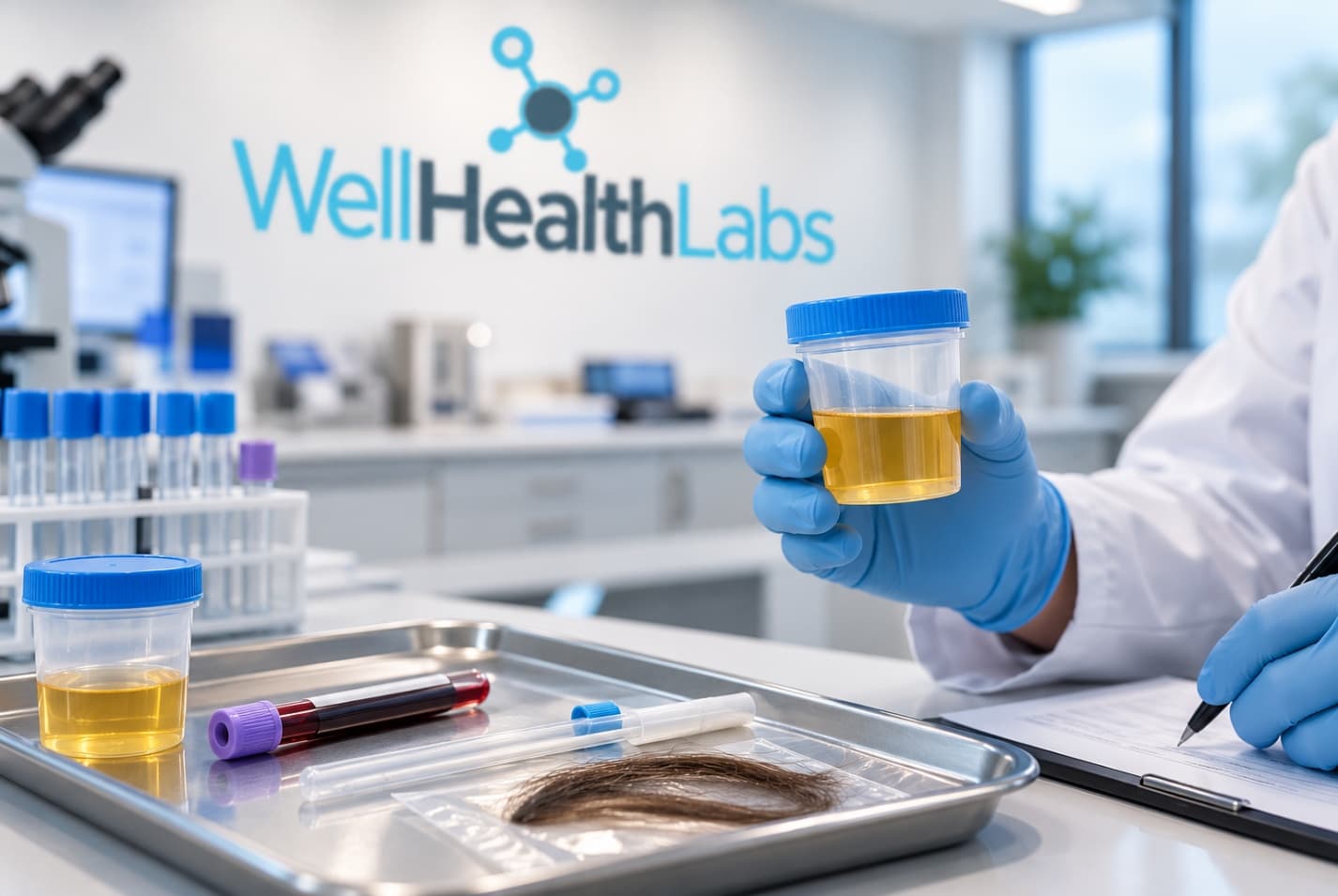
Blood testing involves collecting a small sample of blood, usually from a vein in your arm, and sending it to a laboratory for analysis. Trained staff handle the draw, and the lab uses specialized equipment to measure specific markers in the sample.
Those markers can help show how your organs are working, whether your nutrient levels are where they should be, how your body is managing blood sugar and cholesterol, and whether something may need a closer look.
Common Types of Blood Tests
- CBC (complete blood count): Measures red cells, white cells and platelets, which can point to anemia, infection and other issues.
- Blood glucose and A1C: Show your current blood sugar and your average over the past few months.
- Cholesterol and lipid testing: Looks at LDL, HDL and triglycerides, which relate to heart health.
- Thyroid testing: Checks how well your thyroid is working, which affects energy, weight and mood.
- Vitamin and nutrient testing: Measures levels like vitamin D, B12 and iron.
- Hormone testing: Evaluates hormone levels that influence everything from fertility to energy.
- Metabolic testing: Panels that check kidney function, liver function, electrolytes and more.
When Might You Need a Blood Test?
- Routine health monitoring: Many people get bloodwork once a year to track their numbers over time.
- Checking specific symptoms or health concerns: Ongoing fatigue, unexplained weight changes or other symptoms may call for testing.
- Monitoring an existing condition: If you're managing a chronic condition, regular tests help show whether your plan is working.
- Preventive health screening: Catching changes early gives you more options and more time.
How Should You Prepare for a Blood Test?
Preparation depends on the test, so always check the instructions you're given.
When fasting may be required
Some tests, such as fasting glucose and certain cholesterol panels, usually require you to go without food for a set number of hours beforehand. Many others don't require fasting at all.
Food, drinks, medications and supplements
Water is generally fine and often encouraged. Coffee, juice and other drinks may interfere with fasting tests. Let the staff know about any medications or supplements you take, but don't stop anything unless your provider tells you to.
Follow test-specific instructions
If you're getting several tests at once, follow the strictest instruction. When in doubt, ask before your appointment.
What Happens During a Blood Test?
- Registration and test selection. You'll check in, confirm your information and verify which tests you're getting.
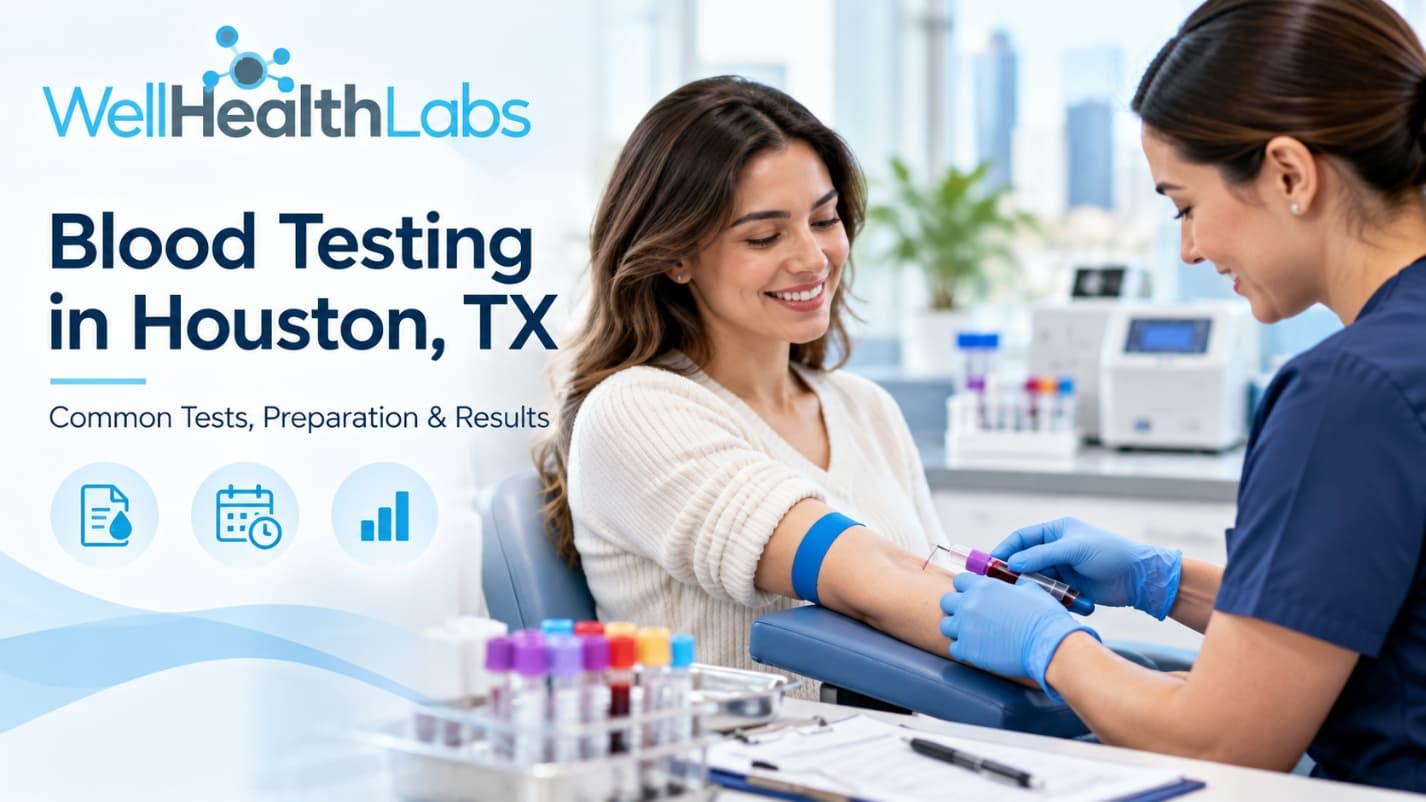
- Blood sample collection. A technician cleans the area, ties a band around your upper arm and draws a small amount of blood. It usually takes only a few minutes. You might feel a quick pinch.
- What happens after the sample is collected. The sample is labeled and sent to the lab for analysis. You can typically go about your day right away, though staying hydrated helps.
How Long Do Blood Test Results Take?
- Why turnaround times vary. Simple tests like a CBC are often ready quickly, while more specialized panels can take longer.
- Factors that can affect processing time. The type of test, the lab's workload and whether a sample needs to be sent out for specialized analysis can all play a role.
- How results are typically provided. Results are often available through a secure online portal, by phone or through your provider. If a doctor ordered the test, they'll usually walk you through what the numbers mean.
Choosing a Blood Testing Lab in Houston, TX
Not every lab works the same way. When comparing options, look at:
- Available testing options: A good lab offers a wide range of tests, from basic panels to more specialized ones.
- Convenient collection locations: Easy access and reasonable hours make it simpler to show up on time, fasting and all.
- Mobile testing availability: Some providers can send someone to you, which is great if travel is difficult.
- Accuracy and laboratory standards: Look for a lab that follows recognized quality and certification standards.
What to Know About Blood Testing Services in Houston
A blood testing service in Houston may offer walk-in collection, mobile collection or both. Walk-in works well if you're comfortable visiting a location and want a quick appointment. Mobile collection is handy for busy schedules, limited mobility or anyone who simply prefers staying home. Choose based on what's most convenient for you and which tests you need.
Frequently Asked Questions
Do all blood tests require fasting?
No. Some do, like fasting glucose and certain lipid panels, but many don't. Check the instructions for your specific test.
How long does a blood test take?
The draw itself usually takes just a few minutes. Plan a little extra time for check-in and paperwork.
Can I get blood testing without a doctor's order?
In many cases, yes. Some labs offer tests you can order yourself, though availability varies by test. It's still a good idea to share your results with your doctor.
How quickly can I receive blood test results?
It depends on the test. Some come back within a day or two, while specialized tests may take longer. The lab or provider can give you an estimate.
A Little Prep Goes a Long Way
Blood testing works best when you understand what's being measured, how to prepare and when to expect results. A little planning, like knowing whether you need to fast, can save you a repeat trip. If you're ready to get started, explore the blood testing options available in Houston and find one that fits your schedule and needs.